0% of sheet

Sheet A-02  /  About

What happensto a bottle

Collect, process, build

Post-consumer plastic passes through three key phases, and each one is an opportunity to create value.

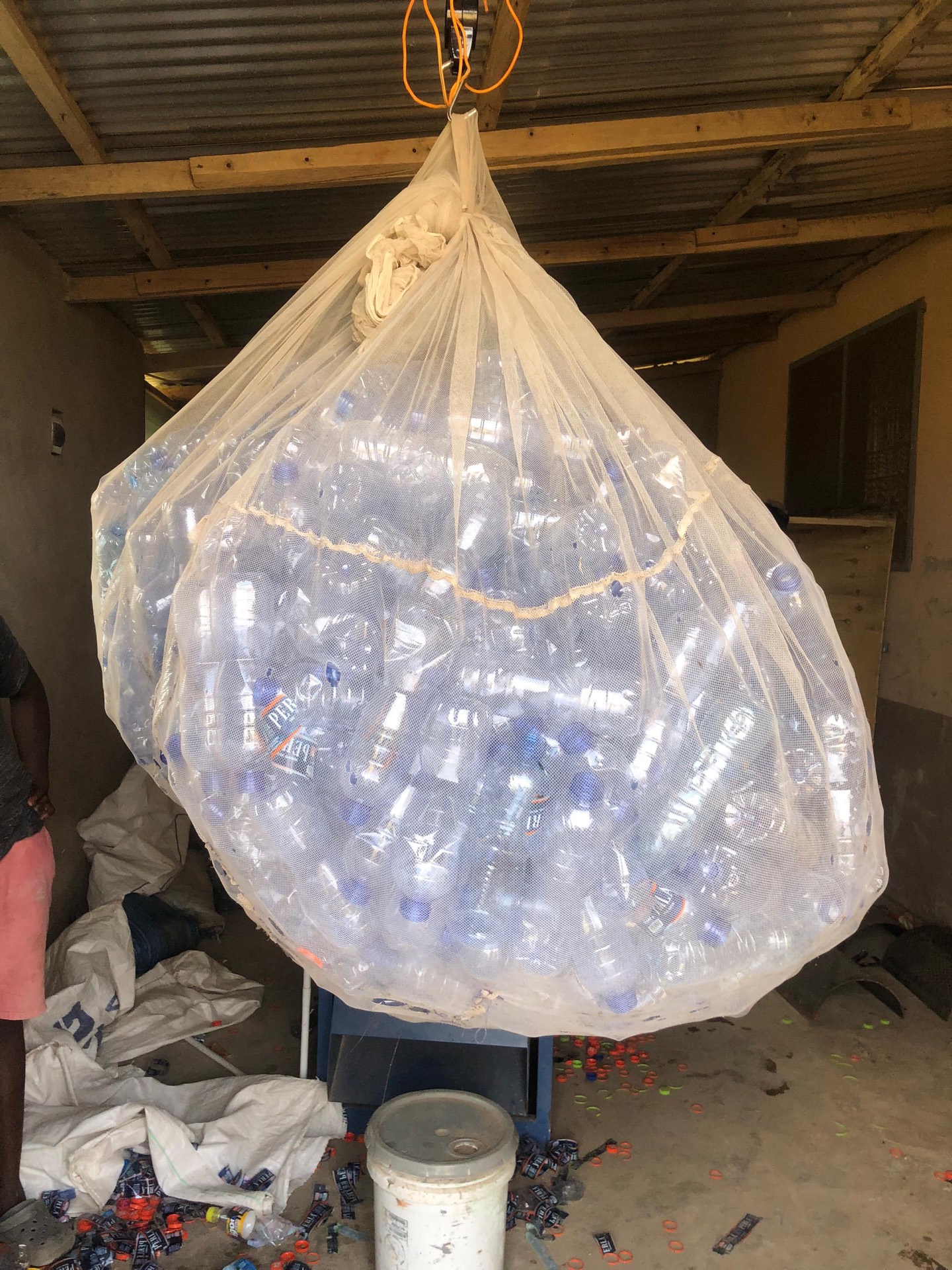
Fig. 01
Collected post-consumer plastic waiting to be processed Collected plastic, awaiting processing
Feedstock
01
Detail 01  /  The run

How we build value from waste

Follow a bottle at every phase of its post-consumer lifecycle, and see how we facilitate its transformation.

A bottle enters the loop
Phase 01

Collection


Dead end Without Bottle Builders Never collected

Burned in the open

Plastic that nobody collects is burned in the open or left to landfill. Every kilogram burned puts around three kilograms of CO2 into the air, on top of the dioxins and particulates breathed by whoever lives nearest to it.

Worldwide, approximately 400 million tons of plastic waste is discarded and improperly recycled every year.

✕ Gone, and counted as emissions
Dead end Without Bottle Builders Collected, but not by us

Unfair middleman takes it

Collected without GREENCO, plastic moves through middlemen who put informal waste pickers to work and pay them unfairly to keep a high margin on what those pickers gathered.

✕ Value captured before it starts
With Bottle Builders

Booked, collected, paid direct

Green Agents collecting plastic from a community

GREENCO bypasses middlemen entirely. It connects waste generators straight to paid Green Agents who come and collect, so the money reaches the person who did the work rather than whoever stood in between.

Households, schools and businesses book a pickup. A Green Agent fills the order in their own vehicle and earns from it.
The plastic reaches a facility So what happens inside?
Phase 02

Processing


Rejected Without Bottle Builders No Data Layer

The bale is contaminated

Once a bottle is crushed and its label is gone, PET, PVC and HDPE look nearly identical, so misidentified polymer ends up in the wrong bale. Food residue and multilayer packaging contaminate the rest.

Nothing about the batch is written down, so when a bale is downgraded there is no way to trace which day, which source or which line caused it. The same fault repeats.

✕ Downgraded or rejected outright
With Bottle Builders

Every batch on record

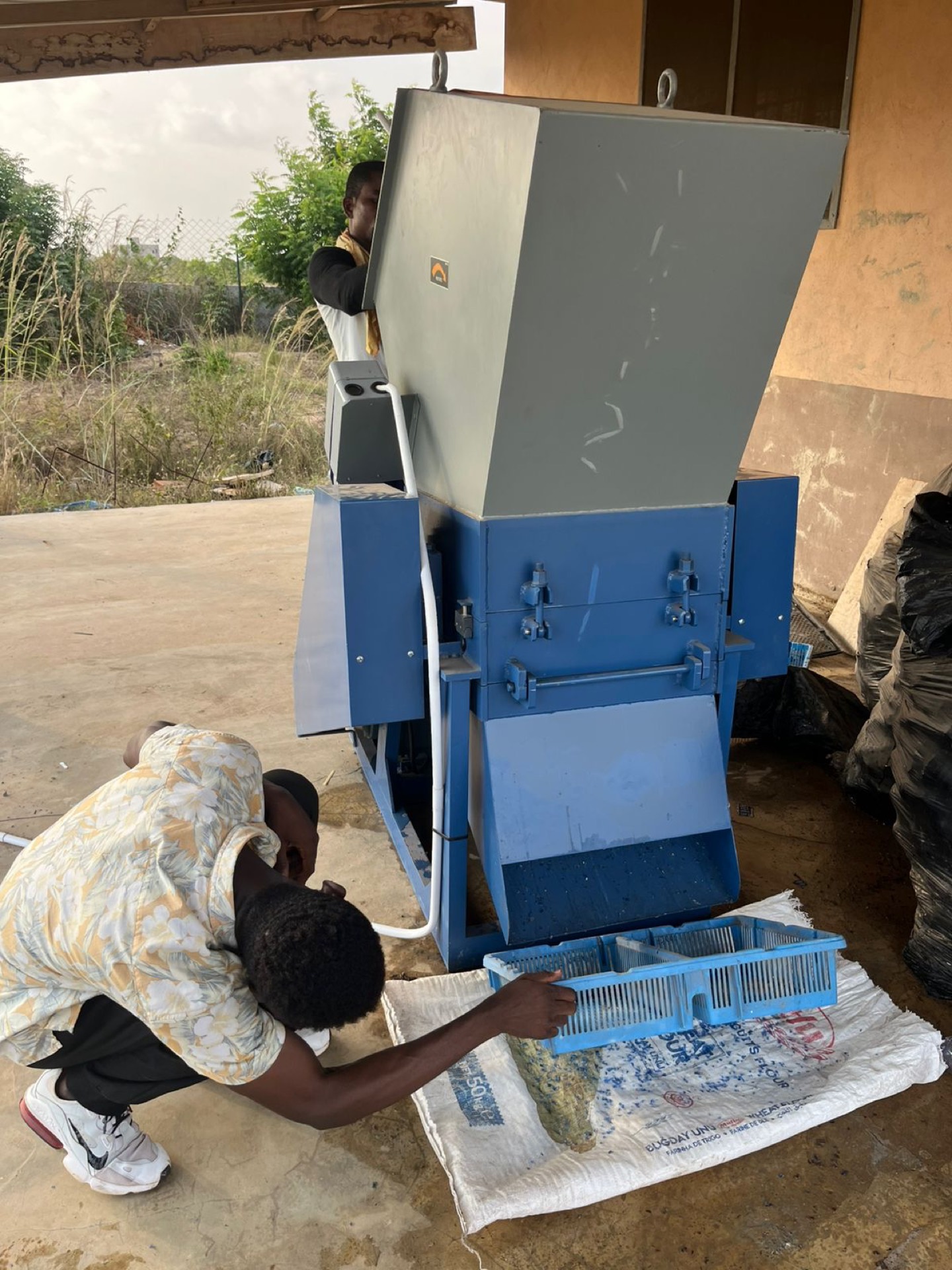
The shredder turning bottles into flakes

KATAROS logs intake, inventory, production and dispatch in real time, and it is currently implemented in our system and in partner EZOV Environmental Services'.

When a batch underperforms we trace it back to the day it arrived, the source that sent it and the line that ran it. That record is what makes a formulation repeatable instead of lucky.

Clean material, fully traced Now it has to become something
Phase 03

Value creation


Stops here Without Bottle Builders Sold on as pellets

Valorization ends at the pellet

Most recycling organizations stop at flakes or pellets and sell it on. For a great deal of that material, valorization ends right there. The plastic waste marketplace is inefficient, so recycled output rarely reaches a buyer who turns it into anything.

It gets stockpiled, downgraded or discarded after all the work of collecting and cleaning it, and the recycler takes whatever the commodity price allows that month.

✕ Recycled, but never valorized
With Bottle Builders

Built into products

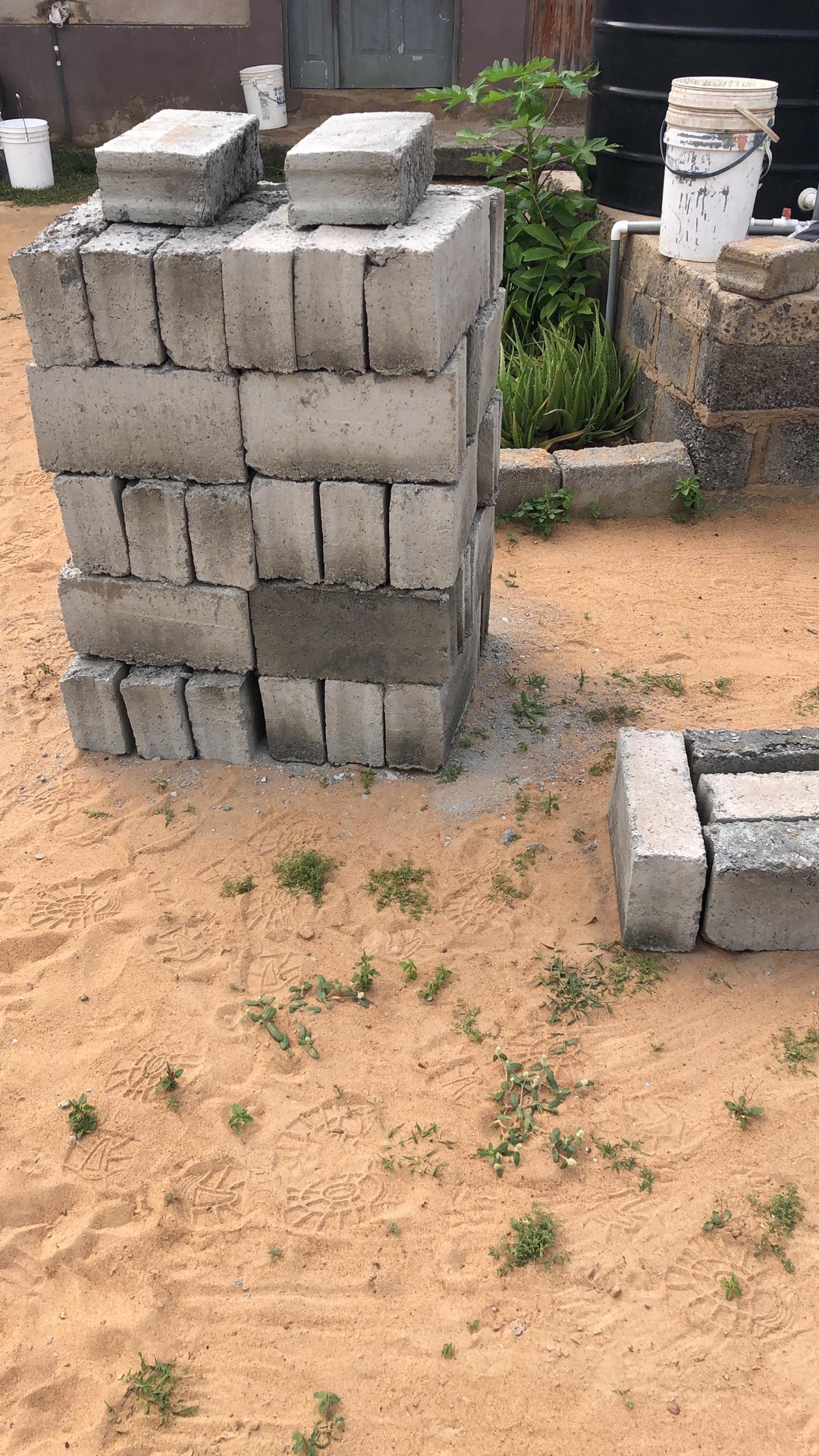
Concrete masonry units cast with recycled PET flakes

We carry the material all the way to a finished product, so it never waits on somebody else to give it worth. Currently, we produce concrete masonry units strengthened with recycled plastic flakes.

Blocks are where we start, not where we stop. The same feedstock supports a widening range of value-added products as the line grows.

The loop closes

The bottle that would have been burned is now supporting loads. Every step it passed through paid somebody, so value was retained in the economy.

Masonry units Blocks strengthened with plastic flakes
Pavement Paving and building materials
Feedstock Flakes, bales and pellets to industry
And onward Further value-added products as the line grows
The plastic shredder running at the Bottle Builders site
Shredder on site processing bottles into flakes
02
Detail 02  /  Site conditions

What we are building on

Plastic waste is a global failure of infrastructure, not a local one. These are the conditions the company was built to work against.

The global picture

10% is recycled

Only a tenth of plastic waste generated worldwide each year is recycled. The rest is treated as unusable rubbish.

Recovery where we work

Under 2%

In the markets we operate in, under 2% of plastic waste is recycled each year. The rest is burned in the open or dumped, which is the norm across much of the developing world.

Who does the work

Nearly 70%

Of the informal waste pickers where we operate are severely underpaid women. Worldwide, informal collection carries the labor of recycling and sees the smallest share of its value.

03
Detail 03  /  Sequence

How the material moves

Five steps from used plastic to a block going out to a site.

Step 01

Collect

Pickups booked in GREENCO, paid directly to households, pickers and businesses.

Step 02

Shred

Bottles are shredded into flakes, with every intake logged in KATAROS.

Step 03

Blend

Flakes are combined with the rest of the aggregate to our own formulation.

Step 04

Form

The mixture is pressed into concrete masonry units and cured.

Step 05

Build

Blocks go out to the construction industry as a finished product.

04

Blocks coming off the line


On site
Fig. 02
Block forming, on site
Built

Put your plastic into the loop

Book a pickup in GREENCO, or talk to us about a whole waste stream.

Sheet
A-02
Title
About
Scale
1:1
Rev
03